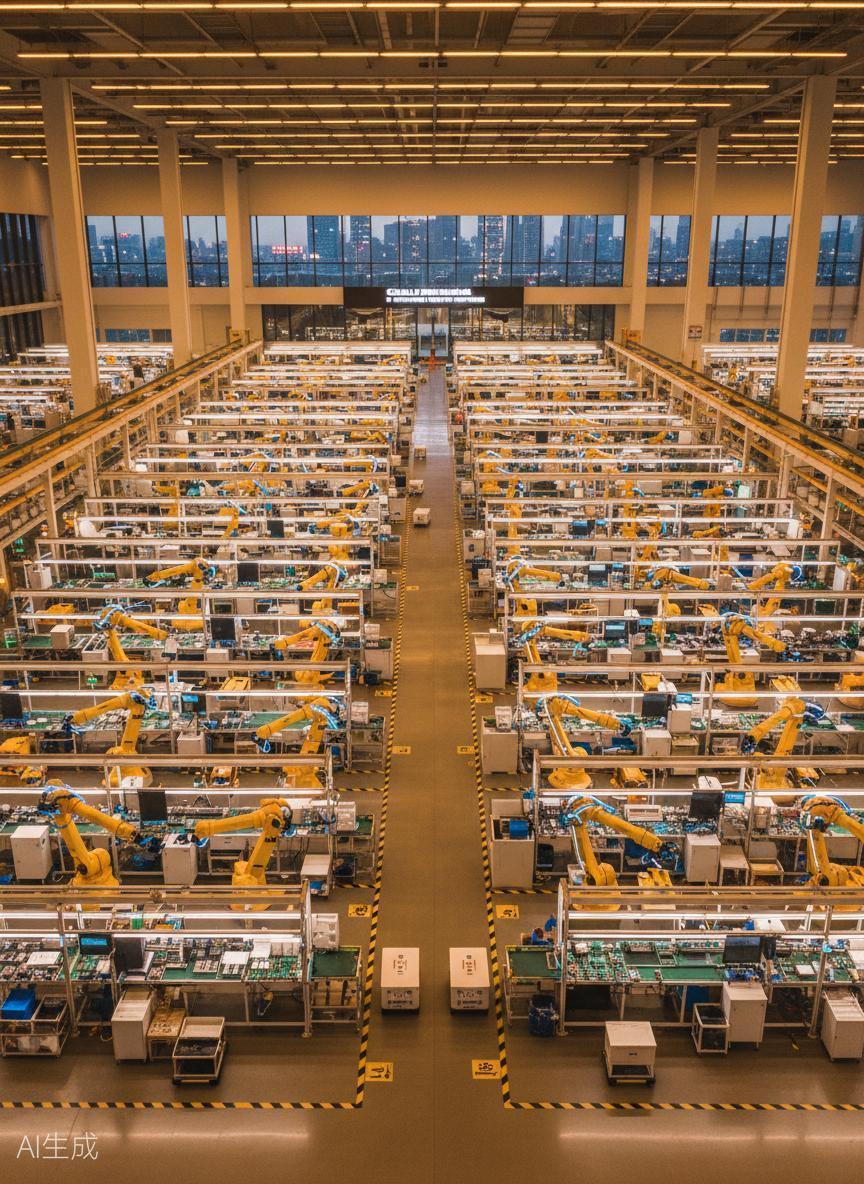
How to Buy Direct from Chinese Factories
Identify the legal supplier, confirm whether it manufactures the product, approve specifications and samples, define inspection, and allocate freight responsibilities before payment.
Factory-direct sourcing can reduce one layer of markup, but it also moves more responsibility to the buyer. The lowest quotation is not useful if the legal entity, production role, specification, compliance evidence, payment milestones, or delivery terms are unclear.
A marketplace badge may indicate identity checks, an audit, transaction history, or a paid membership. Read the badge scope and date; it does not automatically prove that the supplier owns a factory or can make the exact product.
Ask each shortlisted supplier to quote the same specification, quantity, packaging, inspection requirement, Incoterm, destination, and production schedule. Otherwise, price comparisons measure different offers.
The approved sample and signed specification should define the production target. Inspection should reference measurable criteria and the actual order rather than general photos of a showroom or factory floor.
Payment milestones should follow evidence. The contract should identify the legal counterparty, account name, product specification, quantity, schedule, inspection, defect remedy, delivery term, and dispute process.
Decision standard for this guide
Last reviewed September 9, 2026. Use the guide as a checklist: a route is suitable only when the buyer can verify platform, seller, product, payment, and delivery evidence.
What we list
Platform records identify an official website, buying route, and the payment, delivery, product, and return evidence to check for your order.
What a listing does not prove
A platform listing does not certify a seller, product, factory, payment outcome, delivery date, or compliance result. Verify each of those for the specific order.
How costs are compared
The useful comparison is landed cost: item price, China delivery, agent or inspection fees, freight, duty, tax, carrier charges, defects, and returns.
How safety claims work
A route is safer when the buyer uses platform payment, tracked shipping, photo reviews, written specifications, and inspection before scaling order volume.
Step-by-Step Buying Process
Create one request for quotation
Send the same drawings, materials, dimensions, tolerances, tests, packaging, quantity, destination, and schedule to multiple suppliers.
Verify the legal entity
Match the business license, registry record, quotation, contract, invoice, platform profile, bank beneficiary, and production address.
Confirm production capability
Ask process-specific questions, review equipment and quality records, and use a live call or independent audit when the order risk justifies it.
Approve samples and specifications
Record exactly what the sample proves, freeze the specification, and identify changes that require written approval.
Define commercial terms
Agree price, quantity, milestones, Incoterm, tooling ownership, intellectual-property permissions, production dates, inspection, and remedy before paying.
Inspect and release shipment
Use order-specific inspection criteria and resolve nonconformities before the final payment or shipment release milestone.
Frequently Asked Buying Questions
Primary references
Use these sources for rules and definitions, then confirm the platform checkout, supplier quotation, carrier terms, and destination requirements for the specific order date.