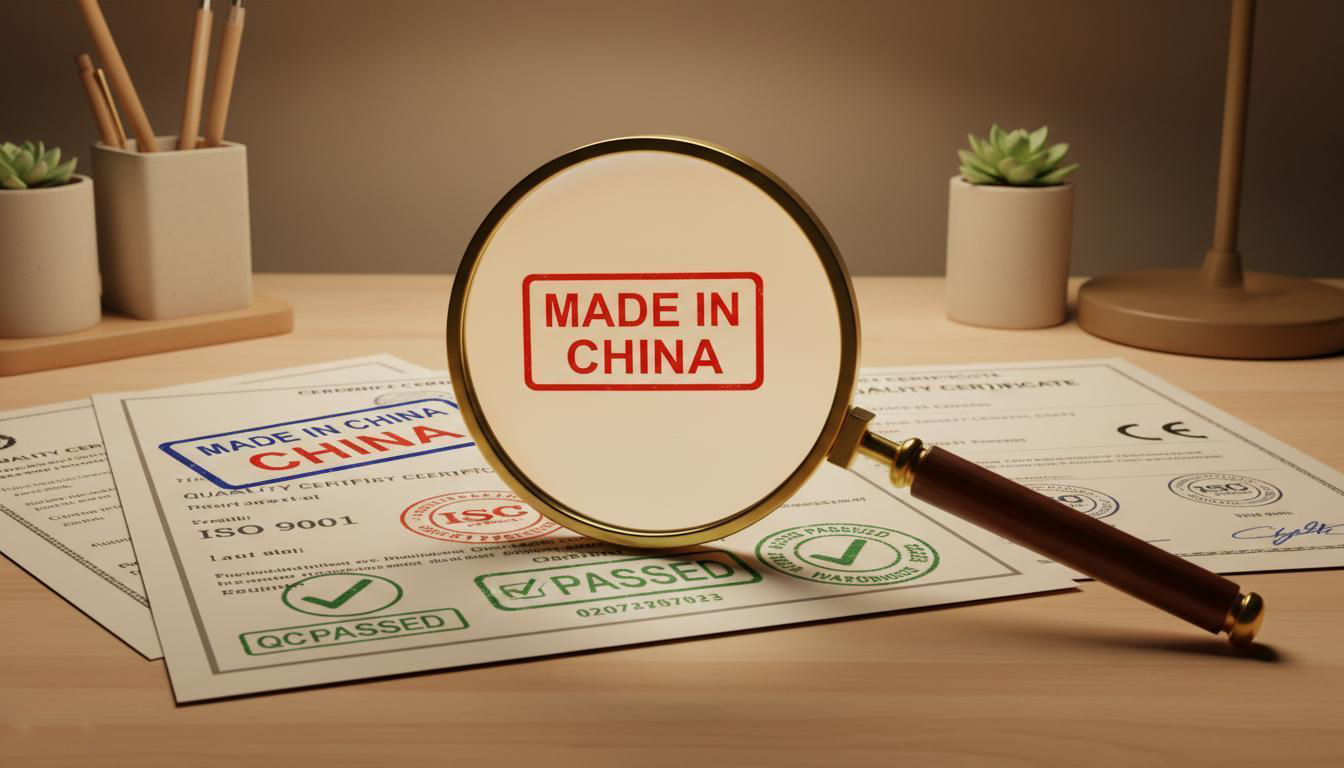
How to Avoid Supplier Scams and Poor-Quality Orders
Use identity, specification, payment, sample, inspection, shipping, and dispute evidence to reduce risk on China marketplace and supplier orders.
Most preventable losses begin before payment: the buyer cannot identify the counterparty, the product is not specified, the quoted price omits necessary work, or the payment path provides little practical recourse.
Treat a large price gap as a question, not proof of a bargain or a scam. Ask which material, component, process, test, packaging, service, tax, or shipping cost differs from comparable offers.
Keep communication and payment inside the platform when that protection matters. If the beneficiary, email domain, bank account, or payment request changes, verify it through a previously confirmed channel before acting.
Reviews can help but are not enough. Look for product-specific detail, consistent dates, delivered-item photos, buyer context, and patterns across negative as well as positive reviews.
For business orders, convert quality into measurable specifications and inspect against them. A warehouse photo may confirm color and visible damage, but it cannot prove composition, electrical safety, durability, or certification.
Decision standard for this guide
Last reviewed September 9, 2026. Use the guide as a checklist: a route is suitable only when the buyer can verify platform, seller, product, payment, and delivery evidence.
Seller evidence
Check store age, rating, transaction history, photo reviews, product-specific feedback, and whether communication stays on the platform.
Product evidence
Confirm material, dimensions, voltage, certification needs, packaging, color, model number, and tolerance before paying for bulk orders.
Payment evidence
Use PayPal, credit card, Trade Assurance, escrow, or an agent balance with dispute support; avoid direct wire transfer on first orders.
Delivery evidence
Compare delivery time, tracking coverage, customs handling, insurance, and return path before choosing a shipping line.
Step-by-Step Buying Process
Verify who receives the money
Match the seller or company name across the platform profile, license, contract, invoice, email domain, and payment beneficiary.
Define the product in writing
Record materials, dimensions, model, components, tolerances, performance, packaging, labeling, tests, and approved sample.
Test the seller with a small order
Use a sample or trial order to test communication, delivered quality, packaging, tracking, and support before increasing exposure.
Use a documented payment path
Read the current protection terms and exclusions, keep records, and avoid moving an eligible order off-platform.
Inspect before the last irreversible step
For bulk orders, define inspection criteria and complete the check before final payment or shipment release when the agreement permits.
Preserve dispute evidence
Save the dated listing, specification, quotation, invoice, messages, payment, tracking, package label, unboxing, and defect evidence.
Frequently Asked Buying Questions
Primary references
Use these sources for rules and definitions, then confirm the platform checkout, supplier quotation, carrier terms, and destination requirements for the specific order date.